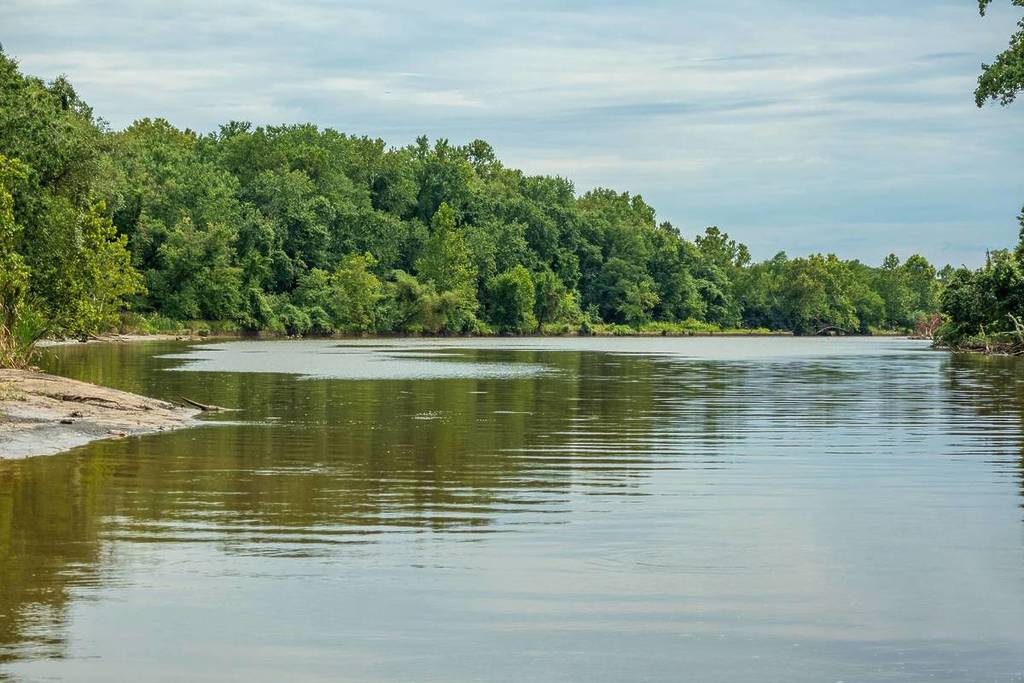

The Anacostia River has just received its highest-ever grade, marking a major milestone in the decades-long effort to restore one of the region’s most heavily polluted waterways.
The Anacostia Watershed Society gave the river a C- in its 2026 State of the River Report Card, based on water quality data from the past year.
While that may not sound like a grade worth celebrating, it is the first passing grade and highest score the river has received since the organization began issuing the report card in 2014.
Even better, the progress means the long-term dream of a fishable and swimmable Anacostia River is coming closer into view — though the waterway is not yet safe for swimming.
What grade did the Anacostia River receive on its new report card?
The Anacostia Watershed Society awarded the river a C-, its highest grade to date and a significant improvement from the failing grades it received in the past.
The river also earned its highest-ever overall water quality score of 71%.
The annual report evaluates the health of the tidal Anacostia using several environmental indicators, including fecal bacteria, dissolved oxygen, water clarity, chlorophyll a, stormwater runoff, submerged aquatic vegetation, toxics and trash reduction.
Several measures, including chlorophyll a and water clarity, have shown steady improvement, while water clarity received its first-ever passing grade of D-.
The report also found that the southernmost section of the river earned a C, while the northernmost section in Maryland received a C-.
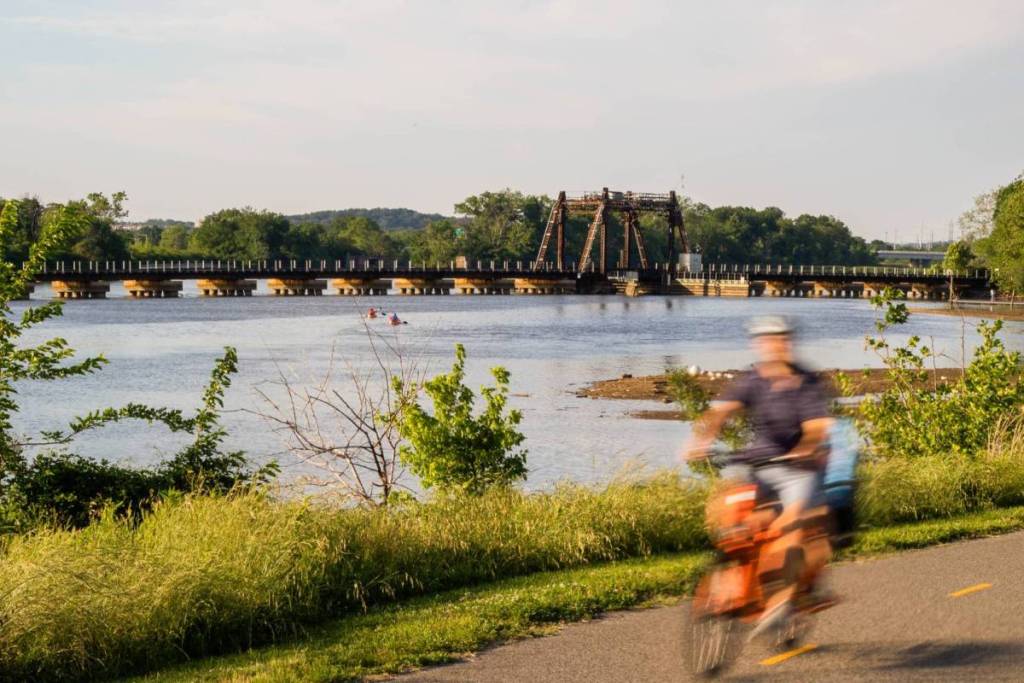
What does the Anacostia River’s new C- grade mean?
The new grade is an encouraging sign that decades of restoration work are paying off, and that the river is moving closer to the goal of eventually becoming safe for activities like swimming and fishing.
But a C- does not mean people should start jumping into the Anacostia just yet.
According to the report, fecal bacteria remains one of the biggest obstacles to making the river safely swimmable, with that category’s score falling from 67% to 58% over the past year and receiving an F.
Heavy rainfall can wash waste from pets, wildlife and birds into the river, while stormwater runoff continues to carry pollution from paved surfaces into the watershed.
The good news is that, despite year-to-year challenges, the overall trend shows the Anacostia steadily moving toward a cleaner and healthier future.
What still needs to happen to improve the Anacostia River?
The next stage of the river’s recovery will require continued efforts to reduce polluted stormwater runoff and restore the natural ecosystems that help protect waterways.
The Anacostia Watershed Society is calling for communities and governments in D.C., Montgomery County, and Prince George’s County to conserve and restore wetlands and forests, reconnect floodplains and strengthen climate resilience.
Those efforts are becoming increasingly important as climate change brings more frequent and intense rainfall, which could make runoff and fecal bacteria problems even harder to manage.
The organization is also continuing hands-on restoration work, including restoring wetlands, planting native trees along the river and reintroducing freshwater mussels that naturally help filter the water.
After decades of progress, a swimmable Anacostia River is no longer an impossible vision — but the latest report card makes clear there is still work to do before that goal becomes a reality.