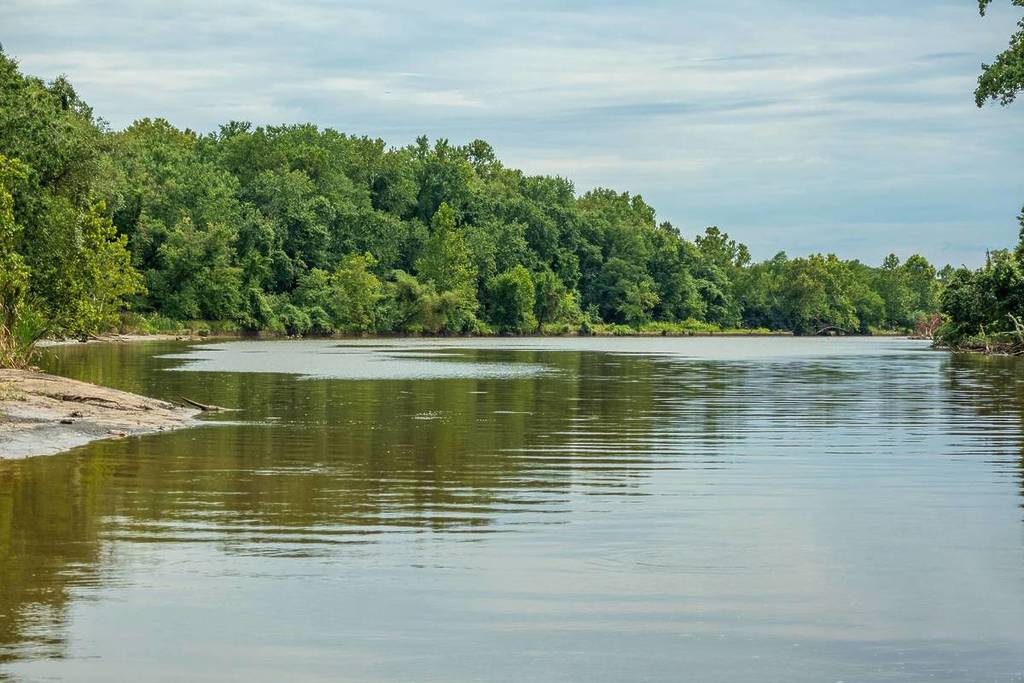
Just a few months after the Potomac River managed to score a ‘B’ on its annual health report card from the Potomac Conservancy, a major ecological disaster has led to hundreds of millions of untreated sewage being spilled directly into the river.
While an incredible effort has been made to repair the ruptured sewage pipeline that is the source of the spill, its underwater location, frigid temperatures, and the extent of the damage have all combined to create what many have been quick to call a catastrophe.
Why is there a sewage leak in the Potomac River?
On January 19th, a major sewage pipeline called the ‘Potomac Interceptor’, which carries up to 40 million gallons of sewage and wastewater daily, experienced a ‘failure’ where a section of the pipeline collapsed.
The damaged section of the pipeline where the sewage leak is occurring is located near Lockhouse 10, by the Clara Barton Parkway and the Interstate 495 interchange, close to the C&O Canal National Historical Park.
An exact explanation for the pipeline collapse has not yet been provided by DC Water, but an investigation is underway as emergency repairs are being made.
How is it going to be repaired?
The first steps to control the leak have already been taken by establishing a bypass for the sewage overflow. The bypass immediately contained a significant portion of the leaking sewage temporarily and has allowed DC Water to properly assess the damage and develop a complete repair of the damaged pipeline.
Given that the collapsed section of the pipeline happens to be around a 72-inch, 6-foot-diameter sewer pipe, repairs are already an incredibly cumbersome task, but when combined with the recent weather conditions, including freezing temps and deep snow, it quickly becomes apparent that lasting repairs will take time.
As of January 28th, the strategy for now remains to depend on the bypass to minimize the overflow of leaking sewage until permanent repairs are made.

How much environmental damage has the leak caused?
Environmental damage to the local ecosystem is undeniable, but the extent of that damage has not been adequately surveyed yet.
What we do know is that, according to the President of the Potomac Riverkeeper Network (PRKN), Betsy Nicholas, E.Coli bacteria contamination levels are roughly 12,000 times what authorities limit for human contact!
According to Potomac Riverkeeper Dean Naujoks, this is one of the largest sewage spills in U.S. history, suggesting the damage could be similar or worse than other major sewage leaks that have occurred around the country.
Nonetheless, it’s safe to say that the ongoing efforts to restore the health of the Potomac River to its natural levels have been dealt an incredible setback.