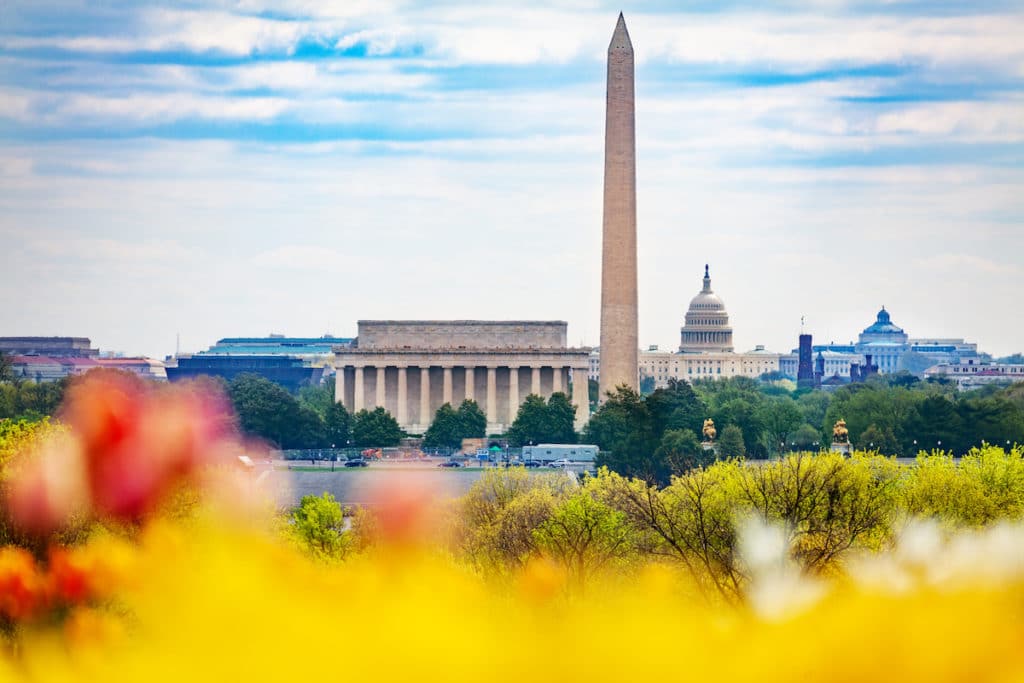

Washington, D.C., is home to one of the best citywide park systems in the nation, providing Washingtonians and visitors with plenty of green spaces throughout the city.
And while the amount of dedicated green space does give the District one of the most stunning spring bloom seasons in the nation, it’s also apparently made D.C. one of the sneeziest cities in the country!
The ranking was based on the demand for projects that can be tied to indoor air quality, allergen buildup, and outdoor pollen control.
Where does D.C. rank among the top 10 sneeziest cities in America?
The District was ranked as the #4 sneeziest city in the country!
Here are the other cities that make up the top 10:
- Atlanta, GA
- Charlotte, NC
- Austin, TX
- Washington, D.C.
- Dallas, TX
- Orlando, FL
- Tampa, FL
- Baltimore, MD
- Raleigh, NC
- Seattle, WA
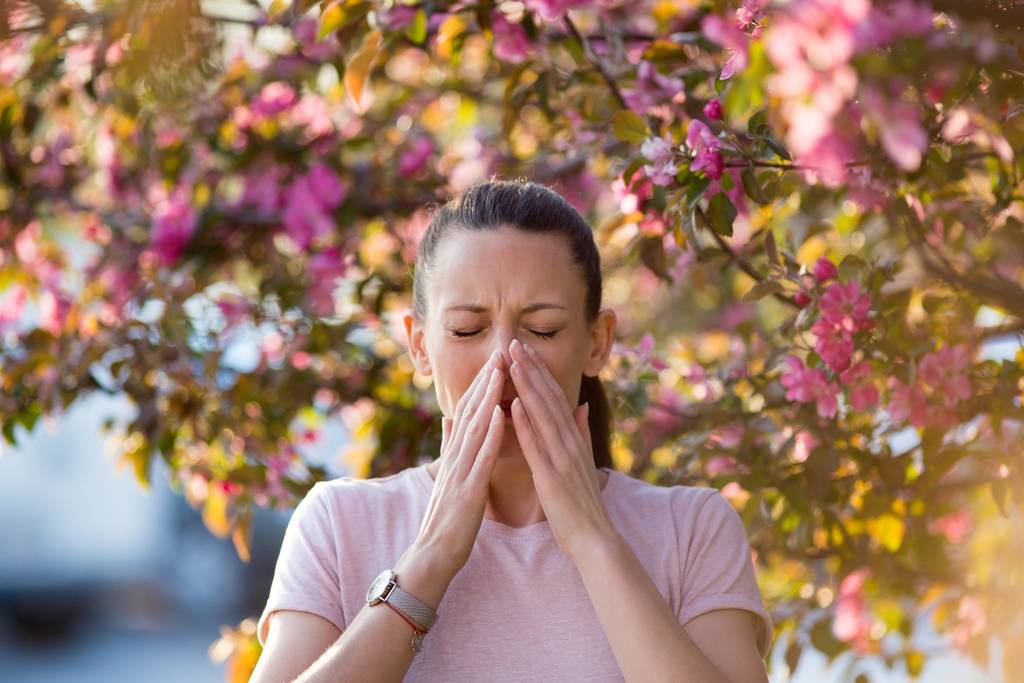
How to reduce the impact pollen is having on you this spring
While some spring pollen exposure is unavoidable, there are a few simple steps you can take to reduce your exposure and make sure your home is as allergen-free as possible!
Here are a few expert recommendations:
- HVAC maintenance: Replacing filters every few months, potentially as often as once a month during peak pollen season. Also, clean out the ducts and vents that could be spreading allergens around your home.
- Regular indoor deep cleans: The importance of surface-level cleaning for carpets, rugs, furniture, and drapes cannot be understated. These softer surfaces trap allergens like pollen, dust mites, and pet dander, which can easily trigger your allergies at home.
- Create a pollen control protocol: One of the easiest ways to limit pollen exposure at home is to create a routine where you know to remove your shoes, wash your hands, and change your clothes as soon as you get back from being outside.
- Consistently maintain your yard: One of the few outdoor spaces you can control, you’ll want to mow your grass consistently to prevent it from flowering (releasing pollen) and trim back trees and shrubs. It’s also worth doing a weekly wash of your outdoor furniture, which can get coated by airborne allergens throughout the week.
- Seal gaps around windows and doors: Airborne pollen is no joke; a window being unsealed or a door with a large gap is an easy entry point for allergens like pollen.
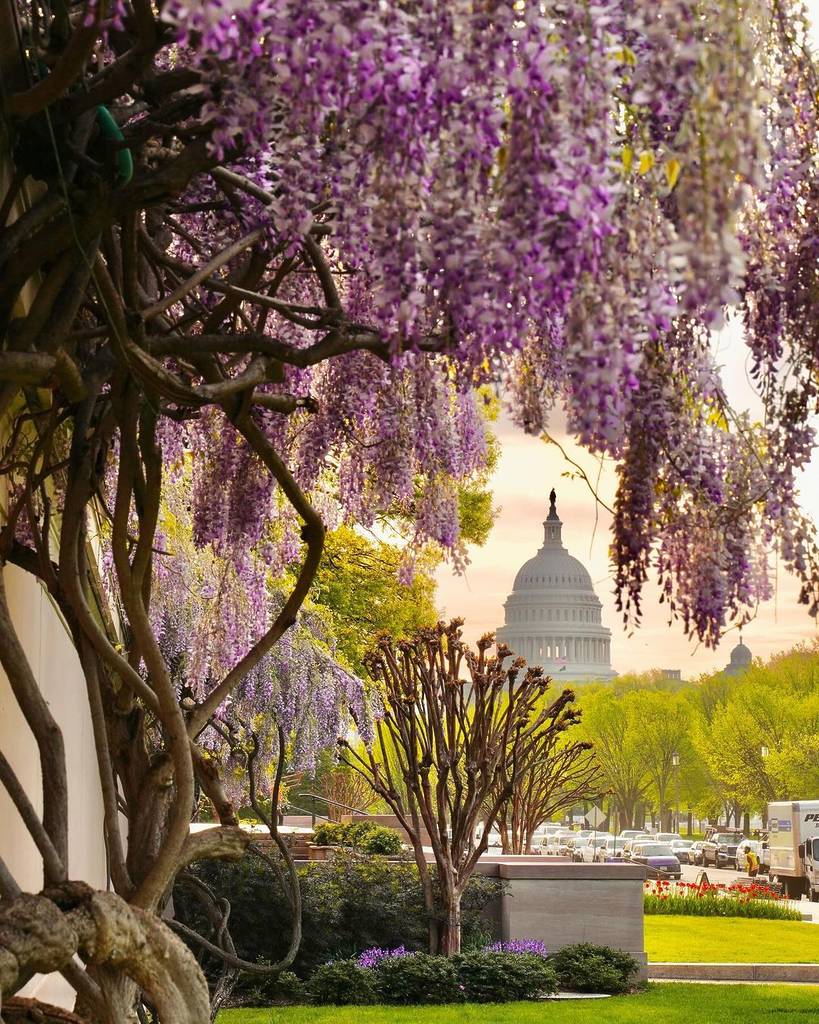
When is pollen going to peak around D.C.?
The various kinds of pollen in the District are predicted to peak around the following dates:
- Tree pollen – Late March through May
- Grass pollen – Mid May through July
- Weed pollen – Late July through late September
Overall, the general pollen count around Washington, D.C. should be at its peak betwee mid April and late May.