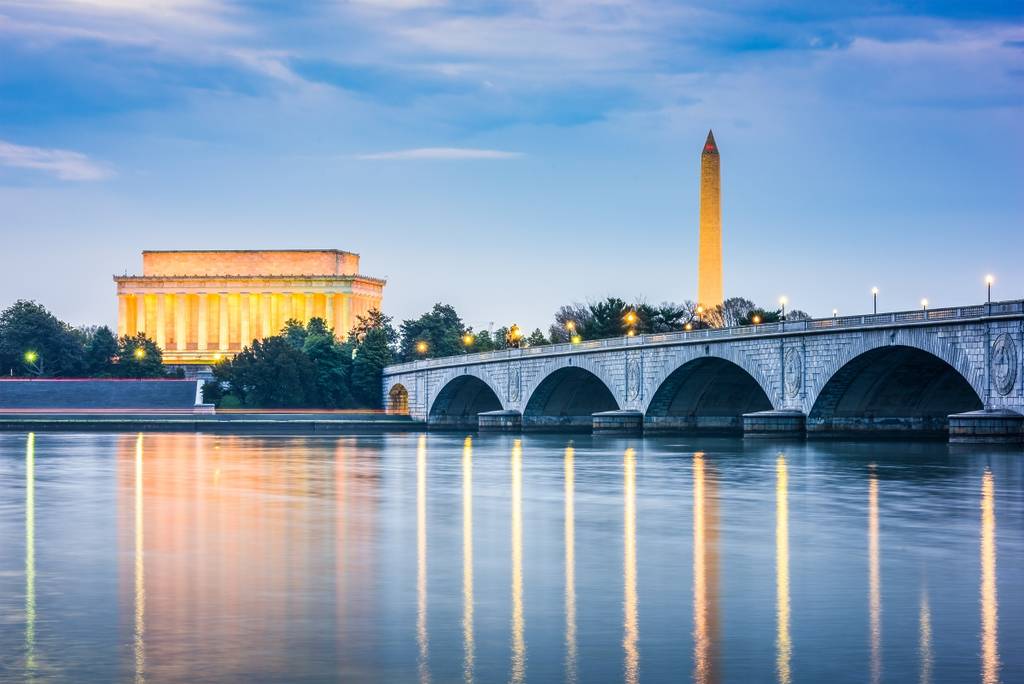

According to a new report released by the organization American Rivers, the Potomac has officially been named the #1 most endangered river in the nation.
While the historic sewage spill that occurred in the Potomac earlier this year has certainly made matters worse, according to the new report, the sewage spill was just a portion of what puts our river at risk.
Why is the Potomac the most endangered river in the nation?
To our surprise, American Rivers’ report seemed less concerned about the recent sewage spill in the Potomac, referring to it simply as a symptom of the aging infrastructure.
Rather, the report was sounding an alarm about the rapid rise in data centers being constructed in the NoVa region, which put an immense amount of strain on the water usage in the community.
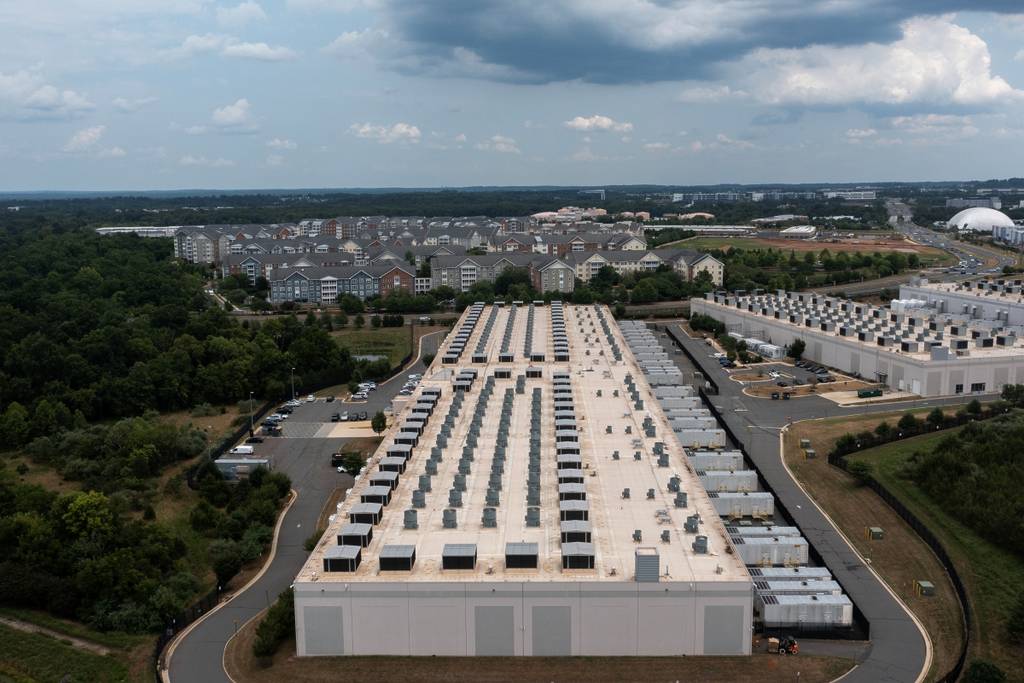
To put it simply, the Potomac River, which supplies drinking water to over 6 million people in the DMV area, is home to the densest concentration of data center structures in the world — over 290 data centers are already operating in the region, and there are already plans to construct hundreds more!
What makes data centers such a danger to the Potomac River?
- Unsustainable water usage
The reality is that individual data centers are not a great danger to the River, but the combined impact of the hundreds of data centers all operating in the same region, relying on the same water source for cooling their storage equipment, is increasingly unsustainable.
- Encroaching on vulnerable land
In addition to the unsustainable use of the River’s valuable water, the uncontrolled development of new data center structures means that vulnerable land that should be preserved is being encroached on by these mega developments.
This means loss of habitat for native species and polluted runoff, ultimately harming the delicate balance of the River’s ecosystem.
- Lack of transparency and research
The third largest concern mentioned regarding the data centers was the lack of transparency and research; local governments are not sharing valuable information regarding things like water usage.
The erosion of trust between those facing the long-term impacts of these data centers and the local officials who are approving them is a concerning sign that suggests things could be even worse than we fear.
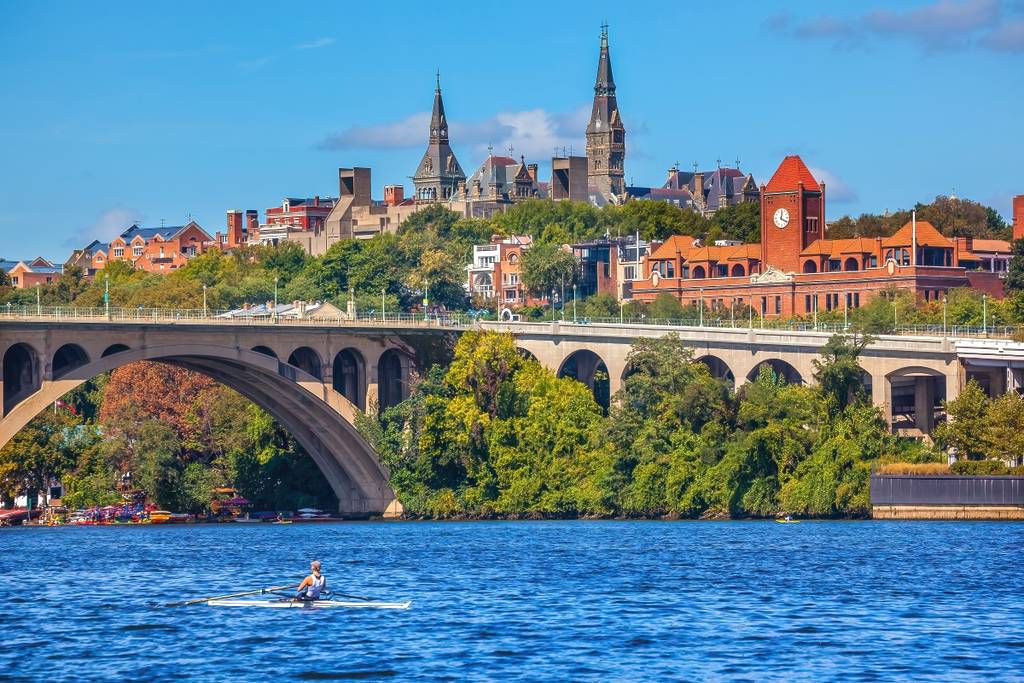
What does this mean for the Potomac River and people who live near it?
According to the Potomac Conservancy, it means that a serious conversation needs to be held, particularly at a local level, about what can be done to stop the degradation of the Potomac and what can be done to help restore the River to its natural state.
It’s taken over a decade to bring the river from a putrid “D” health score to a “B”, and while that desirable “A” remains elusive, it is surely to remain out of reach so long as these environmental concerns go unaddressed.