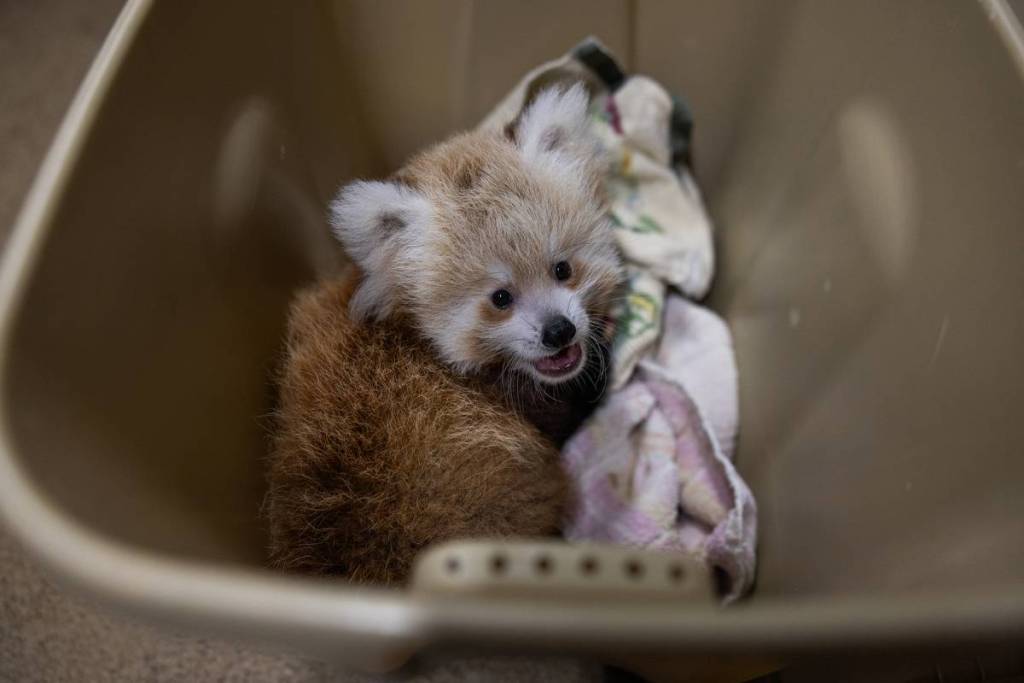

Three endangered red panda cubs have been born at the Smithsonian’s National Zoo and Conservation Biology Institute’s Conservation Campus in Front Royal, Virginia, giving the Smithsonian’s conservation team three new furry additions to watch over.
The cubs arrived in two separate litters just weeks apart, with two born to one mother and a third born to another.
The babies are currently being closely monitored by animal care staff, with cameras inside their nest boxes allowing keepers to check on them while minimizing disruption to the new families.
There is one catch for anyone hoping to see the adorable newborns: the cubs are not on public display and will not be moved to the National Zoo in Washington, D.C., at this time.
The families will remain at the Conservation Campus in Front Royal while the cubs grow and reach important developmental milestones.
What do we know about the National Zoo’s red panda cubs?
The three cubs were born in two separate litters this summer.
On May 29, 3-year-old red panda Sequoia gave birth to twins — one male and one female — with 12-year-old male Mow Mow as their father.
Less than two weeks later, on June 11, 3-year-old Keahi gave birth to a female cub, whose father is 7-year-old Rocket.
The cubs are still very young, and zoo staff describe them as essentially “balls of fur that eat and sleep” at this stage.
Keepers are using cameras installed inside the animals’ nest boxes to monitor the babies while limiting the amount of disturbance to their mothers.
Both sets of parents have experience raising cubs. Sequoia and Mow Mow had two cubs last year, although neither survived, while Keahi and Rocket had a female cub named Kuna in 2025.
The births are significant beyond simply adding three adorable animals to the Smithsonian family. Red pandas are an endangered species, and the Conservation Campus plays an important role in maintaining genetically diverse populations of red pandas in human care as part of broader conservation efforts.
Can you visit the red panda cubs now?
No — the three newborn cubs cannot currently be visited by the public.
The Smithsonian’s Conservation Biology Institute campus in Front Royal is not open to the public, and the three red panda families will remain there rather than being moved to the National Zoo in Washington, D.C.
That means there won’t be a chance to stroll over to the Zoo’s Asia Trail and spot these particular babies right now.
Instead, the cubs will remain with their mothers in the more private Conservation Campus environment, where keepers can monitor their development and allow the families to bond with minimal disruption.
But there is still a red panda you can see in the District.
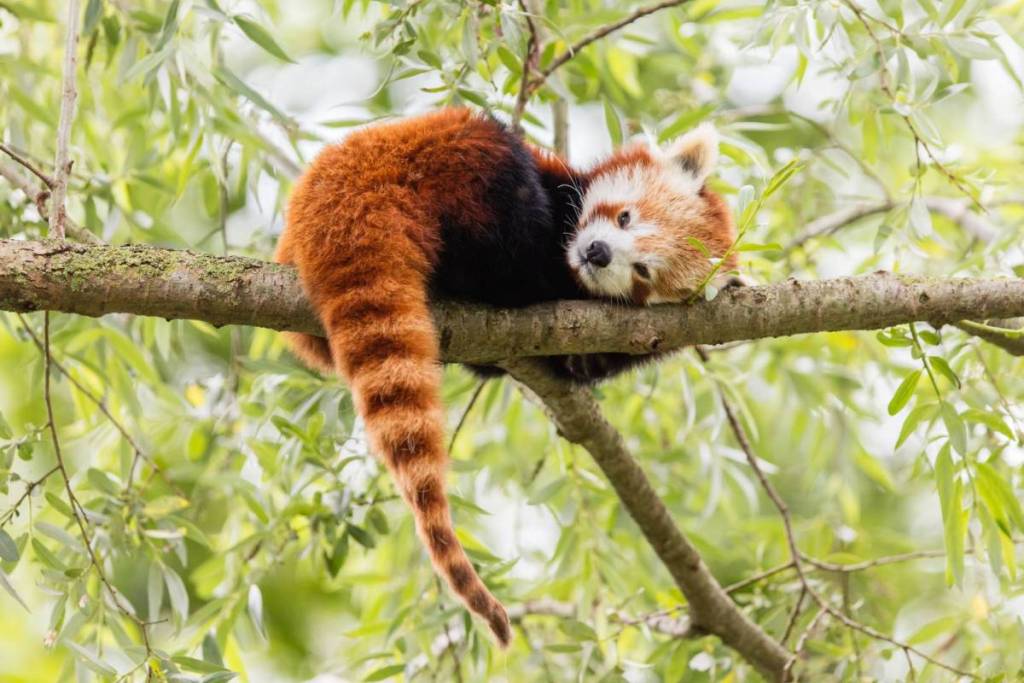
Adult female Asa lives at the National Zoo on Asia Trail and is currently the red panda visitors can meet in D.C.
The Smithsonian has also previously noted that red pandas are most active around dawn and dusk, so visitors hoping to catch Asa awake and moving around may have better luck earlier in the morning or later in the afternoon.
When are the red panda cubs going to be moved to the National Zoo?
There is currently no confirmed timeline for these three cubs to move to the National Zoo.
The Smithsonian has not announced that the new families will be transferred to the D.C. zoo, nor has it provided a specific date or season for such a move.
There is, however, a useful precedent from last year’s red panda birth.
In September 2025, the National Zoo published an update about a female cub born to Keahi and Rocket on June 22, 2025.
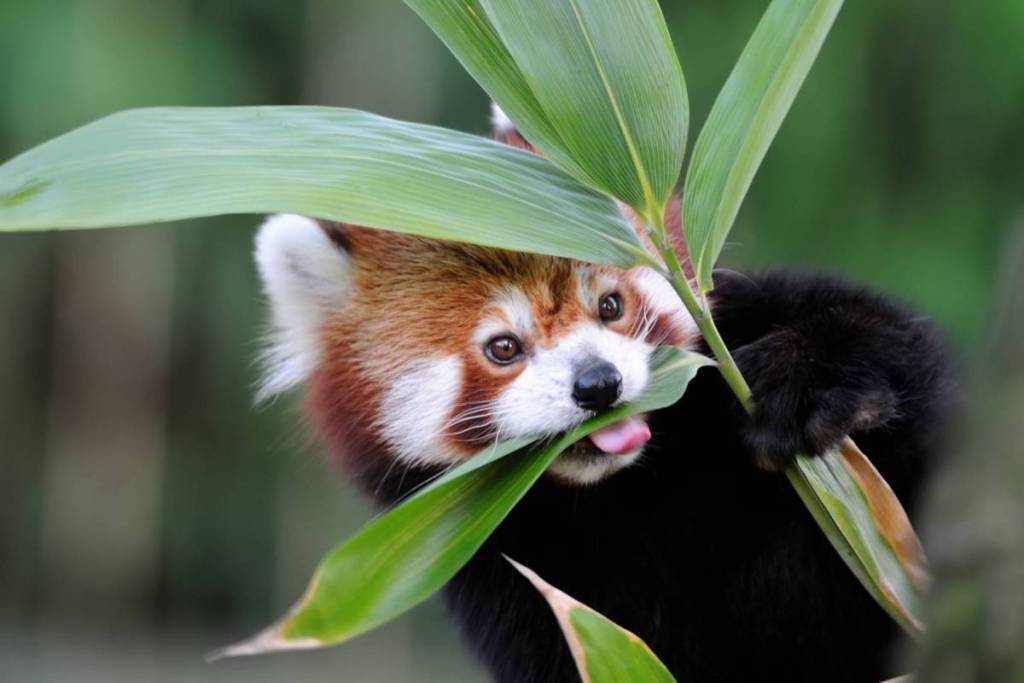
At the time, the Smithsonian said the cub would stay with her mother until spring or summer of the following year, giving her time to reach developmental milestones such as climbing, perching independently and eating solid foods like bamboo.
That previous timeline could provide some context for how long a young red panda may remain with its mother, but it should not be interpreted as an announced schedule for the three new cubs.
The circumstances can vary from animal to animal, and the Smithsonian has not said when — or even if — these particular families will be moved to the D.C. zoo.
For now, the best place for these three tiny red pandas is exactly where they are: safely tucked away with their mothers at the Conservation Campus as they grow.