Arlington, Virginia, has officially retained its title as America’s fittest city for the ninth consecutive year, while Washington, D.C. once again ranked as the second fittest and healthiest city in the nation.
The latest rankings come from the 2026 American Fitness Index, released by the American College of Sports Medicine (ACSM) and the Elevance Health Foundation and highlighted by USA Today.
The annual report evaluates the nation’s 100 largest cities using dozens of health, lifestyle, and community indicators.
The back-to-back success reinforces what many locals already know: the D.C. region continues to set the national standard for active living, with easy access to parks, trails, public transportation, and outdoor recreation helping residents stay healthier than nearly anywhere else in the country.
What makes Arlington and Washington, D.C. the fittest cities in the nation?
The 2026 American Fitness Index found that the country’s healthiest cities consistently combine strong personal health habits with communities designed to encourage everyday physical activity.
Arlington earned the nation’s top overall ranking for the ninth year in a row, while Washington, D.C. secured the No. 2 spot for the fourth year in a row as a result of excelling in community and environmental measures.
According to the report, top-ranked cities tend to have lower obesity and chronic disease rates, higher levels of physical activity, extensive park systems, trails, bike infrastructure, and reliable public transportation that makes walking and cycling part of daily life.
Arlington led the nation in personal health, while Washington, D.C. ranked especially well for its community environment that supports active lifestyles.
The report also noted that these communities have spent years building infrastructure that makes healthy choices easier—not through a single initiative, but through long-term investments in recreation, transportation, and public spaces.
What does this mean for Washingtonians?
For Washingtonians, the ranking is another reminder that the District remains one of the country’s healthiest places to live, work, and explore.
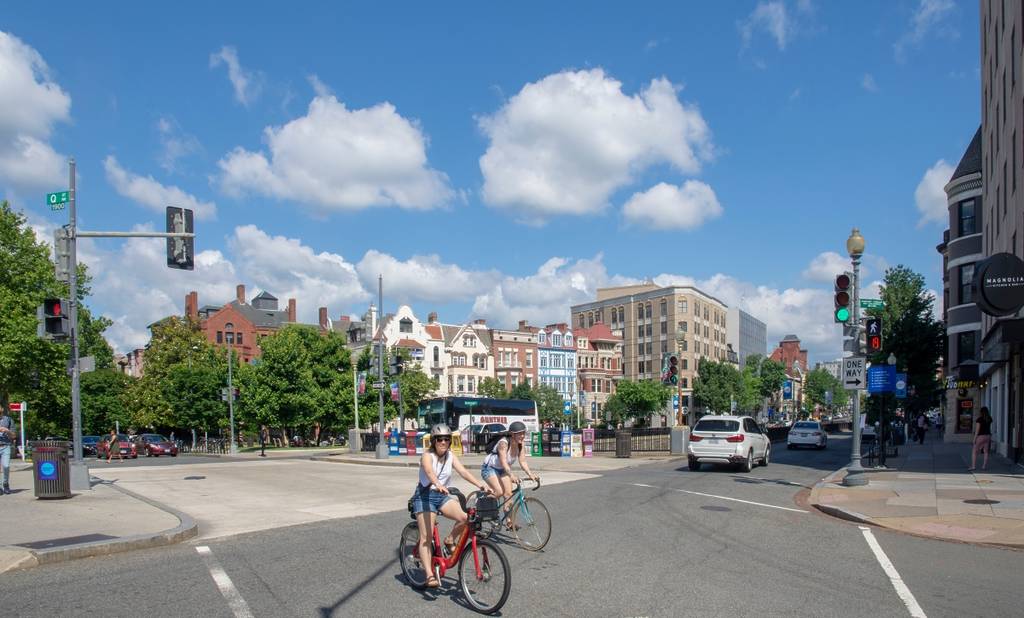
Whether it’s commuting by bike, walking to Metro stations, jogging along the National Mall, or spending time in neighborhood parks, many residents have opportunities to stay active without making demanding that fitness receives its own allocated budget of precious resources like time or money.
The recognition also highlights the value of continued investment in parks, trails, sidewalks, and public transit that benefit both residents and visitors alike.
The study highlighted that those features not only support physical activity but can also drastically shift the quality of life across a city.
How was the ranking determined?
The rankings come from the 2026 ACSM American Fitness Index, the report’s 19th annual edition, evaluates the nation’s 100 largest cities using 35 evidence-based indicators spanning both personal health and community health.
Researchers analyzed publicly available data covering factors such as physical activity, smoking rates, obesity, chronic disease, sleep, mental health, access to parks and recreation, active transportation, public transit, and other environmental characteristics that influence healthy living.
Rather than focusing solely on exercise habits, the index measures how effectively cities create environments where healthy choices become part of everyday life.
The findings are intended to help local leaders identify strengths, address health disparities, and improve community well-being over time.