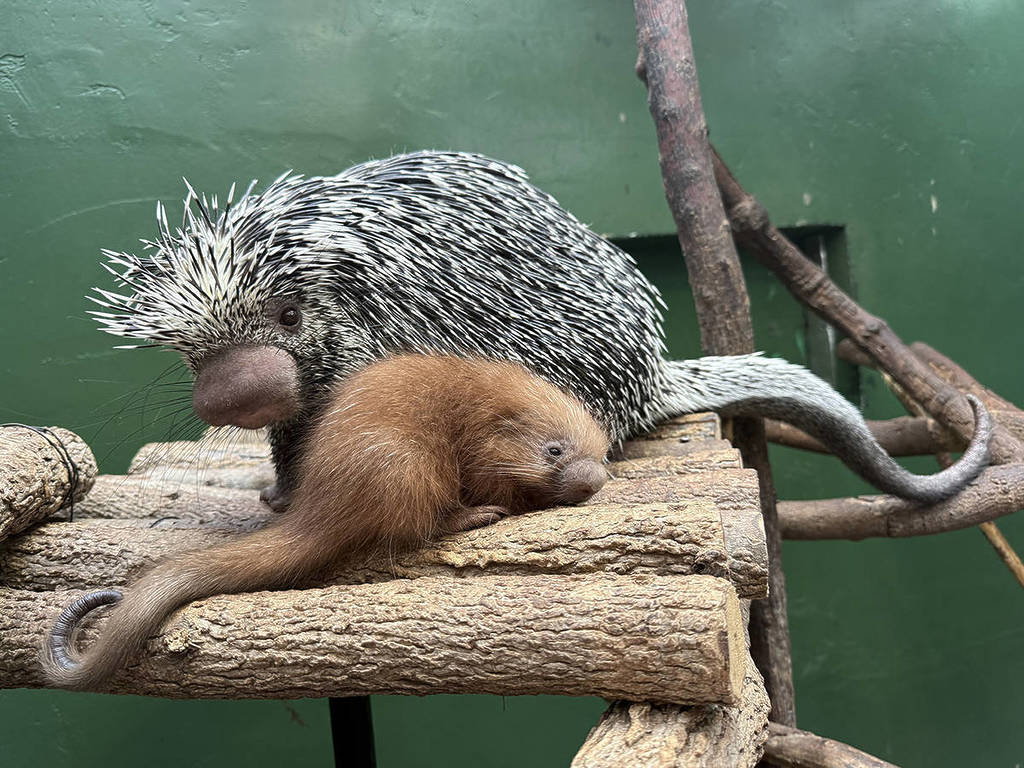

Washington, D.C. just got a little cuter.
The Smithsonian’s National Zoo recently welcomed a baby prehensile-tailed porcupine — also known as a porcupette.
The tiny newcomer is already drawing attention thanks to its soft quills, oversized nose, and tree-climbing abilities that begin almost immediately after birth.
Prehensile-tailed porcupines are native to South America and are known for their strong tails that act almost like a fifth limb.
The birth marks another exciting addition for the zoo’s Small Mammal House, which has previously celebrated several successful porcupette births over the years.
Keepers say baby prehensile-tailed porcupines are born surprisingly well-developed, with their eyes open and the ability to climb shortly after arriving.
And while the baby may still be tiny, it’s expected to quickly become one of the zoo’s most talked-about animals this summer.
When Was The Baby Porcupette Born?
The new prehensile-tailed porcupine was born on May 20 at the Smithsonian’s National Zoo in Washington, D.C., adding another adorable arrival to the zoo’s growing list of baby animals in recent years.
Known scientifically as Coendou prehensilis, prehensile-tailed porcupines are nocturnal tree-dwelling rodents famous for their gripping tails and thick quills. Unlike the larger North American porcupines many people recognize, these animals spend much of their lives climbing through forest canopies.
Baby porcupines — nicknamed porcupettes — are born with soft quills that harden shortly after birth. Zoo experts also note that determining the sex of a baby prehensile-tailed porcupine can take months because the species has internal reproductive organs. In past births, Smithsonian scientists used DNA from a quill sample to identify the baby’s sex.
The species has become a fan favorite at the zoo thanks to its expressive face, slow movements, and impressive climbing skills.
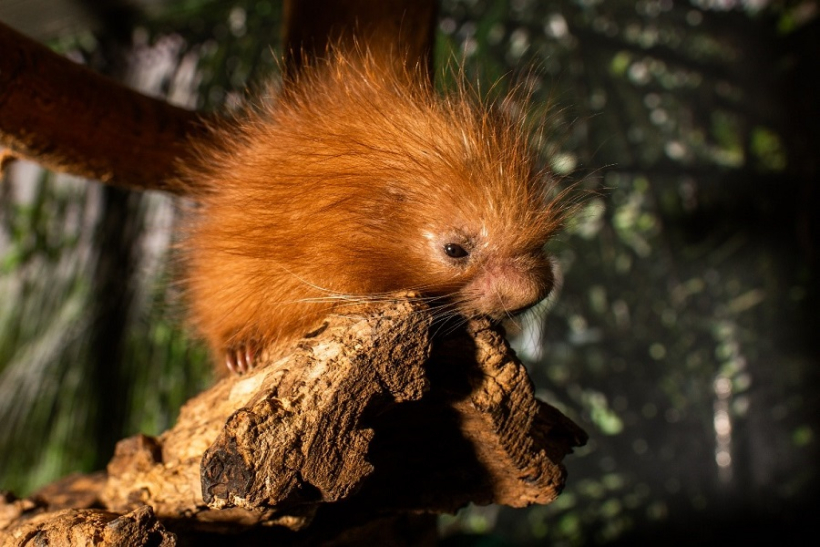
When And Where Can You See The Baby Porcupette At The National Zoo?
Visitors hoping to catch a glimpse of the new porcupette should head to the Small Mammal House at the Smithsonian’s National Zoo, where prehensile-tailed porcupines live among other small nocturnal animals.
The zoo has historically allowed guests to see porcupette families relatively soon after birth, though visibility can vary depending on the baby’s activity level and whether it’s resting with its mother.
Previous Smithsonian porcupette births were viewable by the public inside the Small Mammal House habitat.
Because prehensile-tailed porcupines are nocturnal, visitors may have the best chance of spotting the baby during quieter periods when it becomes more active around its climbing structures. The species is especially known for wrapping its muscular tail around branches while navigating elevated habitats.
Admission to the National Zoo remains free, making the new baby porcupine one of the cutest no-cost attractions to check out in D.C. this season.