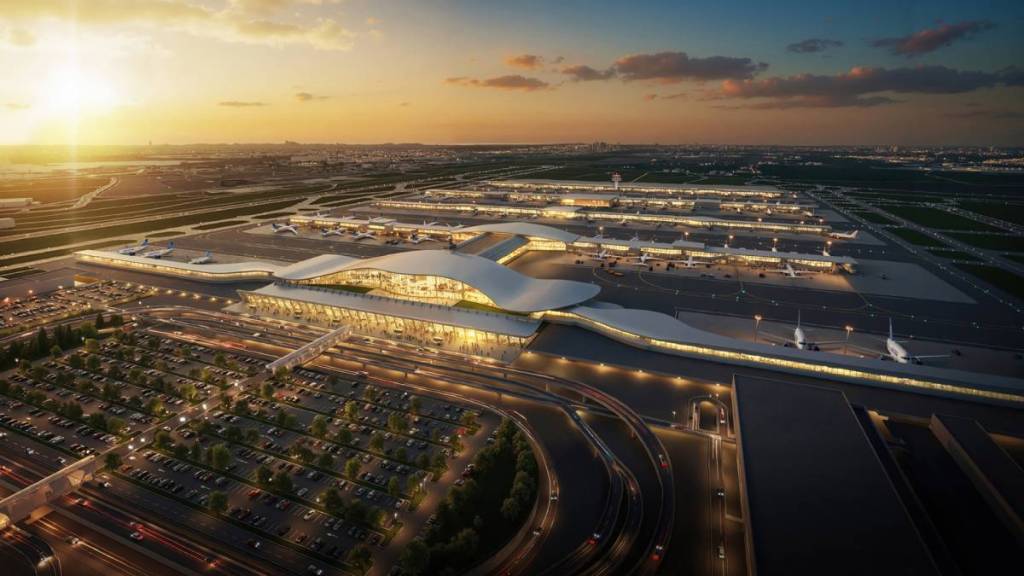

Washington-area travelers could soon experience a dramatically different arrival and departure at Washington Dulles International Airport as officials unveil an ambitious $22+ billion redevelopment plan that aims to transform the region’s primary international gateway into a world-class airport.
The sweeping proposal includes more than 5 million square feet of new and renovated space, replacement of Dulles’ aging concourses, expanded AeroTrain service, a modern baggage handling system, additional gates, and the eventual retirement of the airport’s iconic—but often unpopular—mobile lounges.
Officials say the project could begin as early as next year, with an accelerated construction timeline of roughly two years, although some aviation experts believe the full redevelopment could ultimately take considerably longer depending on regulatory approvals and financing.
If completed as envisioned, the overhaul would mark one of the biggest airport modernization projects ever proposed in the United States and reshape the travel experience for millions of passengers flying through the Washington region each year
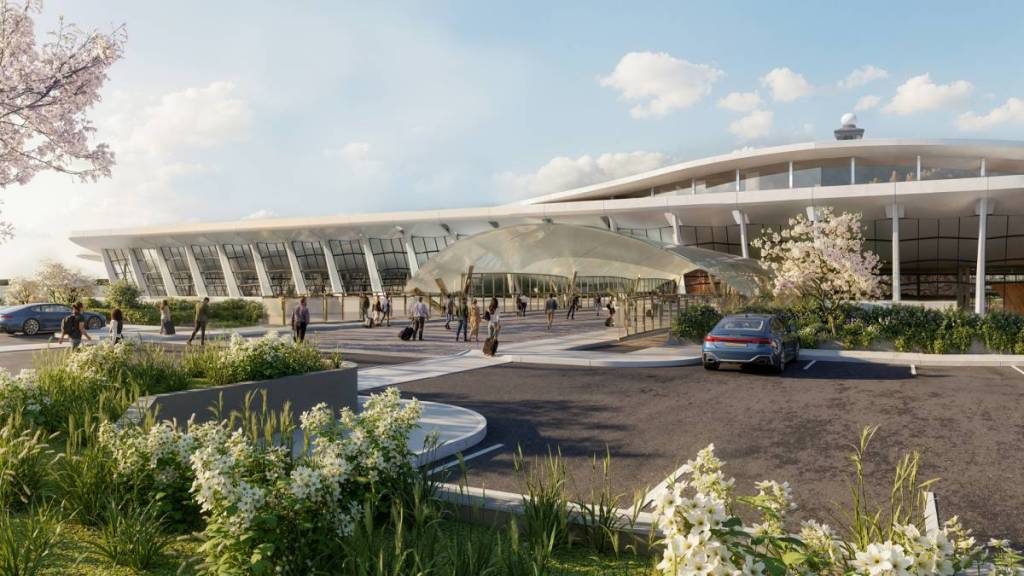
What the $22 billion Dulles Airport renovation includes
The redevelopment plan goes far beyond cosmetic upgrades and would fundamentally change how travelers move through Dulles Airport from curbside to gate.
Among the biggest improvements are:
- More than 5 million square feet of new and renovated airport space
- Replacement of the aging Concourses C and D with modern facilities
- Additional gates capable of handling larger aircraft and more international routes
- Expanded AeroTrain service connecting additional concourses
- A new central pedestrian tunnel allowing travelers to walk between concourses
- Retirement of the airport’s mobile lounges (“people movers”)
- A state-of-the-art baggage handling system
- A larger U.S. Customs and international arrivals facility
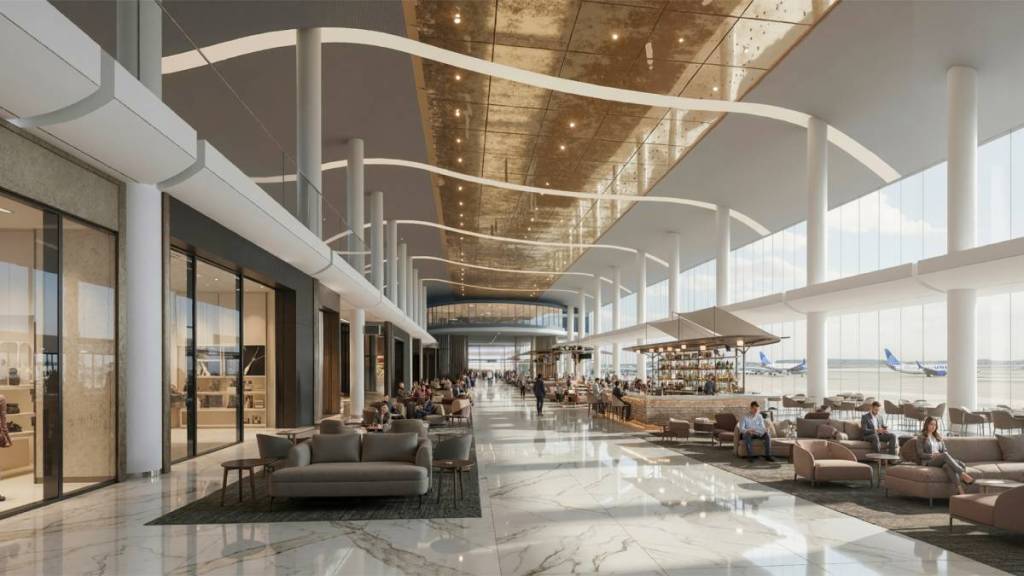
- Expanded airport dining, shopping, lounges, and United Club space, including plans for one of United’s largest Polaris lounges worldwide
- Improved check-in areas, security screening, and close-in parking designed to reduce congestion and speed up the airport experience.
Officials also emphasized that the iconic Eero Saarinen-designed main terminal would remain intact while the surrounding facilities are modernized.
When could construction begin?
Current plans call for construction to begin early next year, with administration officials indicating work could start in the spring if remaining approvals are secured.
President Trump said the redevelopment could be completed in approximately two years, an unusually aggressive schedule for a project of this scale.
However, aviation analysts caution that large airport infrastructure projects often require additional time because of financing, permitting, and phased construction needed to keep airports operating throughout the build.
Travelers should also expect periodic construction activity around terminals and parking facilities once work begins, though airport officials have indicated the goal is to minimize disruption while keeping the airport fully operational.
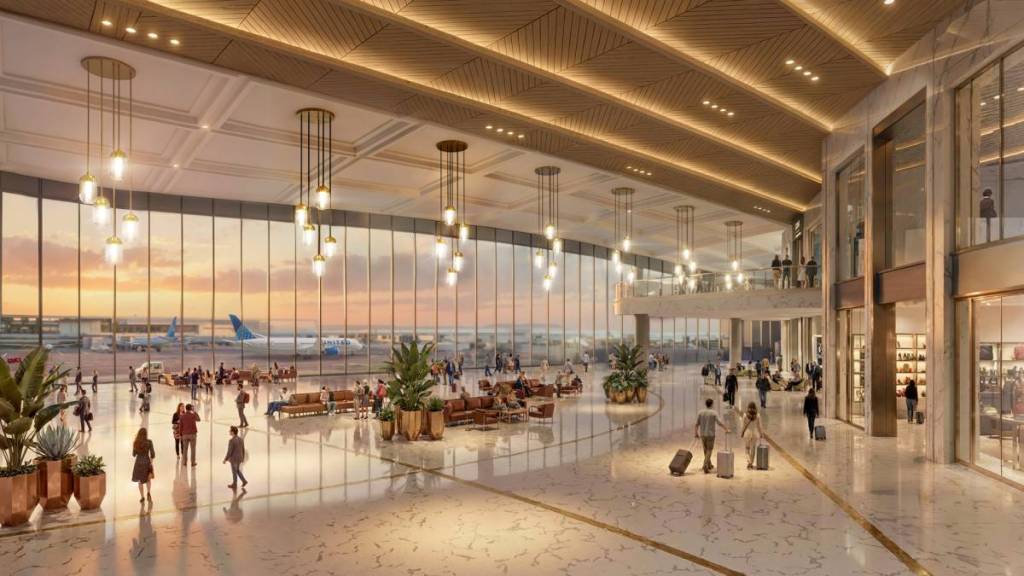
What these upgrades could mean for Washington-area travelers
For passengers, the biggest improvements would likely be shorter walks, faster transfers, and a more modern airport experience.
Replacing the aging Concourses C and D and expanding the AeroTrain would reduce dependence on the mobile lounges that have long frustrated many travelers.
The upgraded baggage system, expanded customs facilities, additional gates, and more efficient security screening are also intended to reduce bottlenecks and improve the overall passenger journey.
Officials also say the larger, modernized airport could support hundreds of additional flights in the future, strengthening Dulles’ role as the Washington region’s primary international hub while giving travelers more nonstop destinations and increased airline capacity.
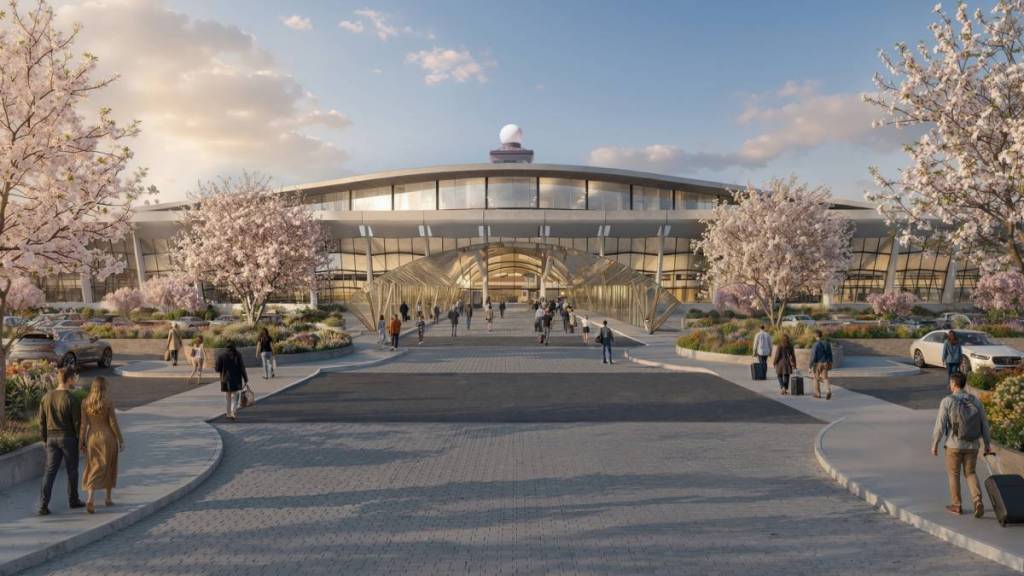
Who is paying for the renovations?
Despite the enormous price tag, officials say the redevelopment is not expected to rely on direct federal funding.
Instead, the project is expected to be financed primarily through airport-issued municipal bonds, along with financial participation from airline partners—including United Airlines—and potential public-private partnerships.
The Metropolitan Washington Airports Authority (MWAA) will oversee the project in collaboration with the U.S. Department of Transportation and United Airlines.
While officials say taxpayers would not directly fund the project, some aviation experts note that airport financing can eventually influence airline fees and airport charges, which could ultimately affect travelers over time.