Now that the federal government’s shutdown has officially reached 38 days (and counting), travelers around the nation will start to feel the impact of that closure now more than ever before!
As a result of the longest government shutdown in this nation’s history, and exacerbated by an ongoing staffing shortage among federally employed air traffic controllers, the Transportation Secretary Sean Duffy has announced that the FAA will reduce flight capacity by 10% at 40 of the United States’ major airports to account for the limited staff.
According to The Associated Press, San Francisco International Airport (SFO) is on that list, along with Oakland International Airport (OAK), Los Angeles International Airport (LAX), San Diego International Airport (SAN), and Ontario International Airport (ONT).
This will result in flight cancellations and delays starting on Friday. Travelers should check with their airlines for updates about their flights. You can also get real-time updates on the FAA’s National Airspace System, as explained by the following tweet from the FAA.
Which airports around Washington, D.C. will be impacted?
In short, all of them.
Among the 40 major airports that will have their capacity slashed by 10% will be:
- Washington Dulles International – IAD
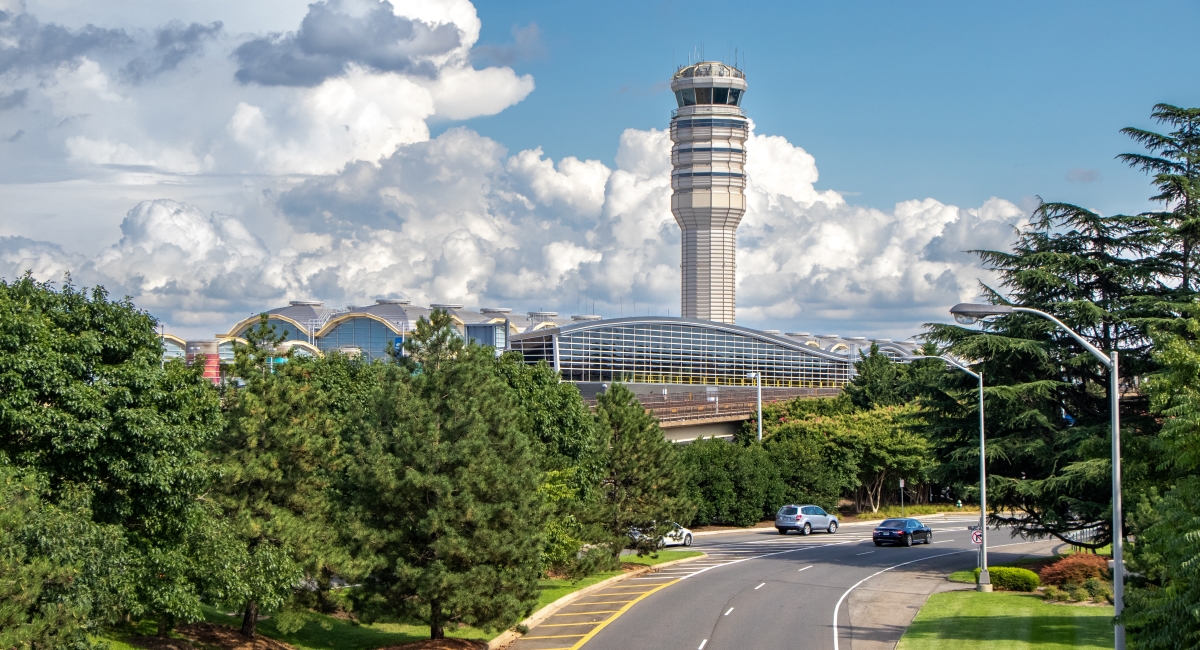
- Ronald Reagan Washington National – DCA
- Baltimore/Washington International – BWI
As a result, rolling cancellations and delays have been enacted at each of these airports to reach the designated 10% reduction in flight capacity.
Be sure to check both the airport and the airline’s websites to ensure that your planned flight is operating as scheduled!
How to reduce the risk of delays out of the D.C. area
Chad Kendall, a professor and FAA expert, spoke to Forbes about how passengers can try to mitigate the impacts of shutdown-related delays.
He recommended taking the following precautions:
- Book the earliest possible flight of the day – Flights departing after 9 am are more likely to be delayed.
- Avoid layovers – Every connection adds another potential for delays. If you do need to book connecting flights, avoid short layovers.
- Insure your trip – Consider a “Cancel for Any Reason” policy.
- Arrive at the airport early – Pad your arrival with extra time (at least two hours early) in case you get stuck in the TSA line.
- Monitor your flights – Turn on notifications and stay up to date with the latest news about your flight itinerary.