The Smithsonian’s National Zoo is one of the world’s leaders regarding the care, research, and conservation of animals that regularly face threats, driving them to the brink of extinction.
The National Zoo’s efforts, particularly in this case for the Asian elephant, stretch from here in the District all the way to the forests of Southeast Asia, where these marvelous creatures are currently in a crisis. And now, for the first time in over 20 years, the National Zoo is prepared to welcome a new Asian elephant calf into the world!
When is the new baby elephant going to be born?
The Zoo noted that the 12-year-old female Nhi Linh [NEE-lin] was pregnant in April 2024 after mating with the 44-year-old male elephant Spike.
Now, as Asian elephant pregnancies generally last between 18 to 22 months, the staff are cautiously optimistic that Nhi Linh will deliver her calf sometime between mid-January and early March of 2026.
Can you visit to see the baby and mommy elephant?
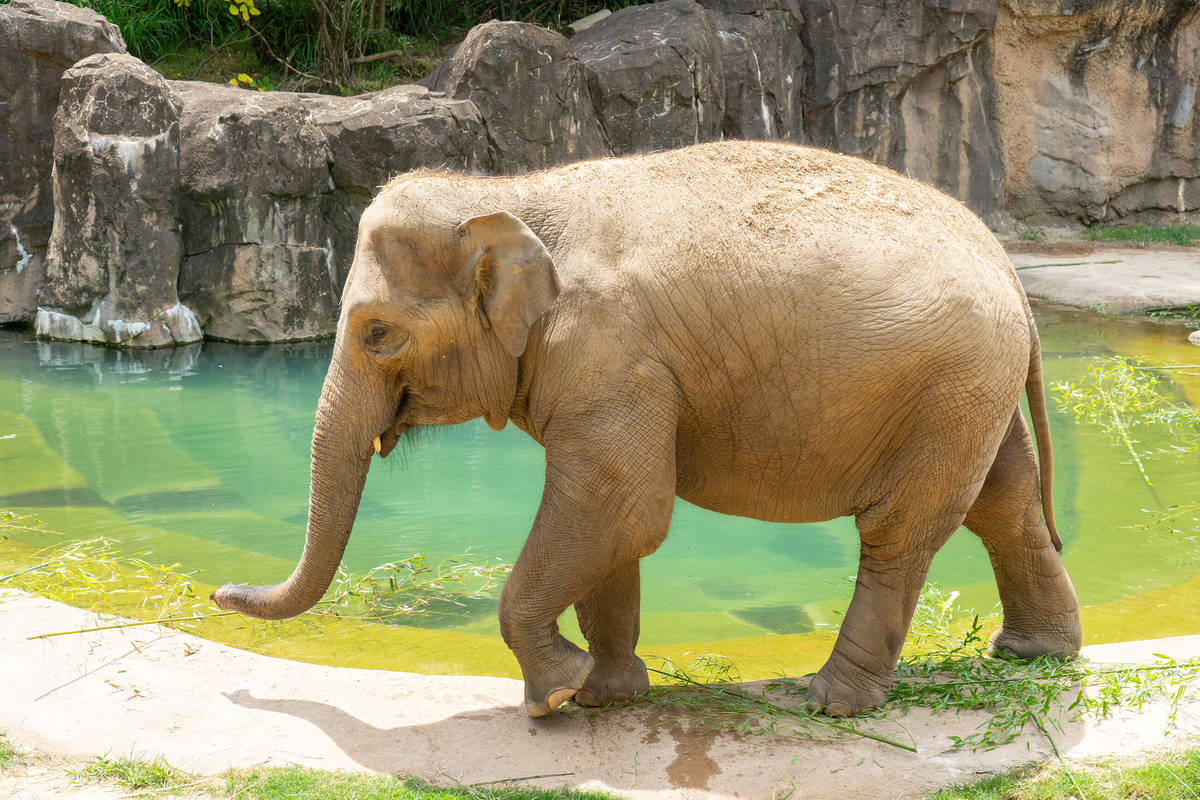
While the baby still has a few more months before making her big debut, you can visit the Asian elephant exhibit at the National Zoo to learn more about this endangered species and how the National Zoo’s carefully curated conservation efforts have given these lovely animals a bit of hope for a safer future for their species.
You can also tune in to the National Zoo’s online Elephant Cam for a real-time peek into what these amazing creatures do inside the National Zoo’s ‘Elephant Community Center’.
According to the National Zoo’s elephant keepers, Nhi Linh can best be described as brave and inquisitive, finding joy and excitement in trying or exploring new things, which makes them very excited to see how the soon-to-be mama will bond with her calf.
Why is this baby elephant a big deal?
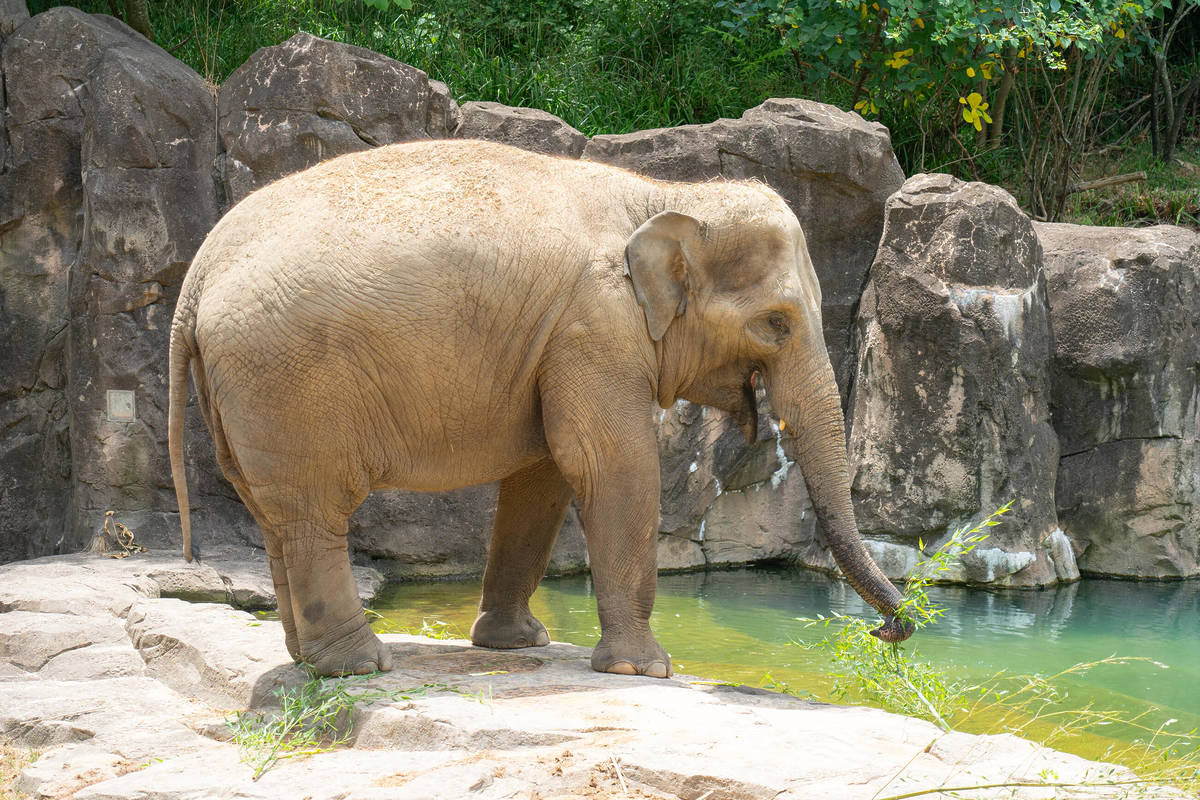
Since fewer than 50,000 Asian elephants remain in the wild today, every new calf born in captivity provides conservationists a glimmer of hope that this species can be saved.
While the species can be sustained in captivity, there is an urgent need to maintain genetic diversity among the Asian elephant’s population, which is why such careful consideration is put into orchestrated and matching breeding pairs that have the greatest likelihood to produce strong, healthy offspring.
In the case of Nhi Linh and Spike, both of these elephants’ genetics are not well represented in zoos around the world, which means that the successful delivery and development of a calf would ultimately benefit the Asian elephants around the world.
This will be Nhi Linh’s first offspring, and while Spike has sired three calves at other zoos, none survived.