On Sunday, July 27th, the WSSC announced that following the collapse of the 108-inch Anacostia Sewage Force Main on July 20th, a potential system overflow could see raw sewage flood the streets and homes of Northeast D.C., an emergency situation in which they have shared an emergency backup plan.
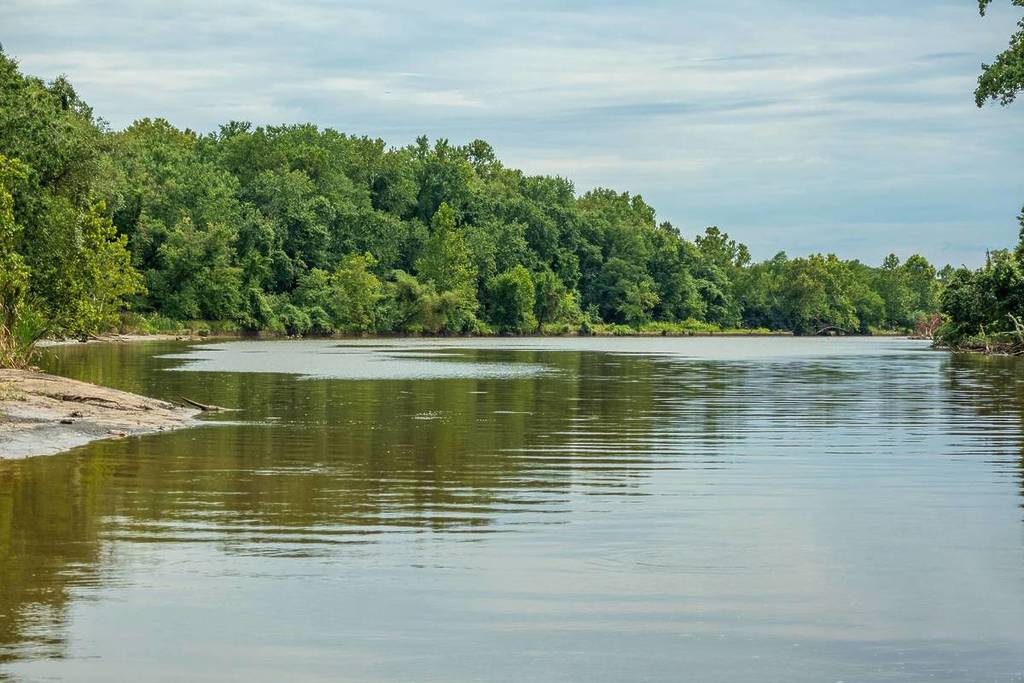
Those plans for a “controlled emergency overflow situation”, WSSC explained, would be to divert raw sewage away from the Anacostia Wastewater Pumping Station and into Beaverdam Creek, which feeds into the Anacostia.
Why would D.C. need to pump raw sewage into the Anacostia River?
The collapse of a key sewage line near the Kenilworth Aquatic Gardens in the Northeastern D.C. area has put an immense strain on the system that handles roughly 60-65 million gallons of wastewater daily.
The WSSC plans to use all available on-site storage to prevent an overflow, which amounts to around 7 million gallons.
However, if storage and containment do not keep up with the flow of wastewater, an overflow avoidance protocol will be triggered.
According to WSSC’s “proactive notification” press release, in the case of an overflow, all excess raw sewage will be diverted into Beaverdam Creek to ensure the safety of homes and businesses in the area.
What will happen if raw sewage is dumped into the Anacostia River?
WSSC has clarified that the emergency protocol is not a certainty; rather, it is an early notification about the possibility of an overflow and the ensuing protocol that would be enacted if the situation occurs.
Additionally, while the dumping of sewage into Beaverdam Creek is considered far from optimal, WSSC stated that the release of untreated sewage into the creek would impact drinking water, which is sourced from the Potomac for both Maryland and D.C. tap water.
In the case that the overflow protocol is triggered, updates will be shared promptly by WSSC, including “start time, volume, and end time”, and signs will be placed along the impacted waterways warning residents to avoid contact for up to 30 days.
How likely is an overflow to happen?
As stated above, an overflow situation is not a certainty; however, due to the forecasted rain, there is an elevated risk of an overflow taking place because of increased flow of wastewater.
The WSSC has also provided notice to the Maryland Department of the Environment, D.C. Department of Energy and Environment, Prince George’s County Health Department, and U.S. Environmental Protection Agency to ensure all proper authorities are adequately made aware of the situation.