The harvest moon is arriving over Washington, D.C. this weekend, giving skywatchers a chance to catch September’s full moon on Saturday night.
The full moon will officially reach peak illumination during the afternoon of Saturday, September 26, but it will remain visibly full as it rises that evening.
There is one potential catch for moon watchers: clouds and some rain could make viewing more difficult, although breaks in the weather could still provide opportunities to see the moon.
If skies cooperate, several scenic spots around the D.C. area could offer particularly good vantage points for watching or photographing the full moon.
When is the harvest moon going to reach its peak fullness?
According to Timeanddate, the September full moon will reach peak fullness tomorrow afternoon at 12:49 pm.
This full moon specifically is known as the Harvest Moon because it is the full moon closest to the autumnal equinox in the Northern Hemisphere.
Of course, the Moon won’t disappear just because its precise moment of peak illumination happens during daylight. It will appear essentially full throughout Saturday evening, making Saturday night the best opportunity for most people in the D.C. area to see it.
Timeanddate notes that the Moon appears full in the days immediately before and after the exact full-moon moment, so there is also some flexibility for anyone whose Saturday evening is disrupted by weather.
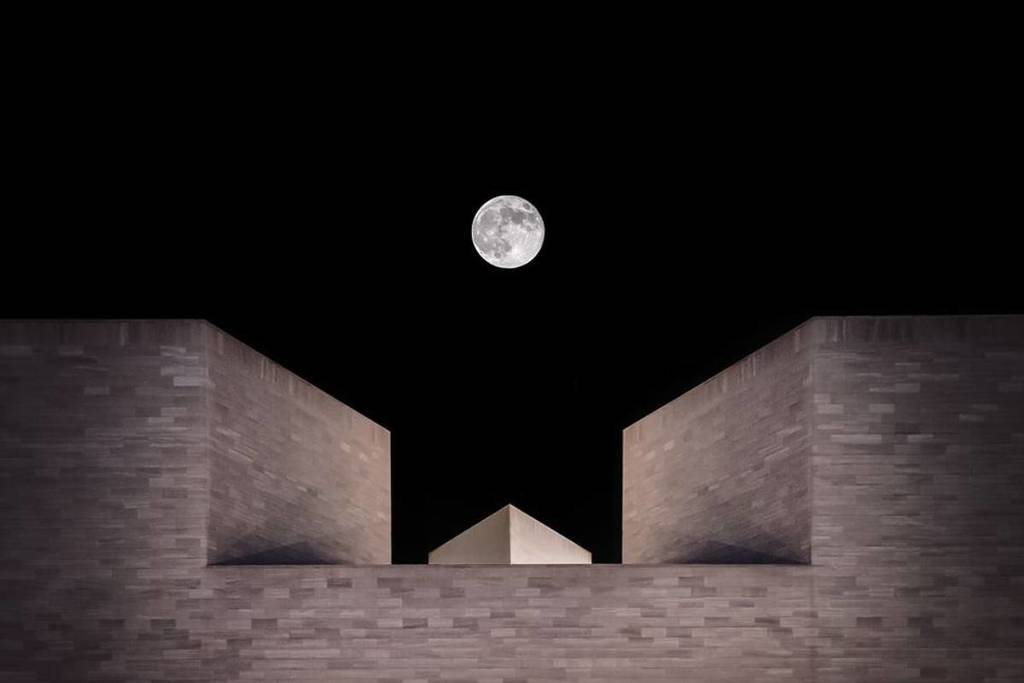
What is the best time to go see the harvest moon?
The Harvest Moon is scheduled to rise at approximately 6:48 pm Saturday evening in Washington, D.C., shortly around sunset. It will continue climbing through the sky throughout the evening before reaching its highest point around 12:32 am Sunday and eventually setting at approximately 6:51 am Sunday.
That makes the period just after moonrise through the first few hours of Saturday night particularly appealing for photographers. The Moon will be relatively low on the eastern horizon when it first appears, potentially allowing it to be framed against buildings, monuments or the Washington skyline.
The biggest wildcard is the weather.
Clouds and periods of rain could interfere with visibility Saturday, so conditions may change throughout the evening. Still, a cloudy forecast does not necessarily mean the Moon will be completely invisible all night; a temporary break in the clouds could offer a window for viewing.
For that reason, it may be worth keeping an eye on the sky rather than abandoning plans altogether if the forecast looks unsettled.
Where are the best places to see the full moon in D.C.?
With the Moon rising in the eastern sky, locations with open horizons and expansive views should give photographers the most flexibility. A few D.C.-area locations worth considering include:
- Hains Point: The open waterfront setting at East Potomac Park provides broad sightlines with relatively little obstruction, making it a natural choice for watching the Moon rise.
- Tidal Basin: The combination of open water and iconic monuments can create a particularly photogenic setting, especially if the Moon is visible close to the horizon.
- Georgetown Waterfront Park: The park stretches along the Potomac and provides views toward the river, Key Bridge and Theodore Roosevelt Island.
- U.S. Marine Corps War Memorial: Just across the river in Arlington, the elevated Arlington Ridge location offers a panoramic view of the D.C. skyline, including the Washington Monument and other landmarks.
- Gravelly Point: The Arlington waterfront location is another option for photographers looking for an expansive view across the Potomac toward Washington. Views from the area can include the Washington Monument and Jefferson Memorial.
Tip for photographers: Arriving before sunset can be worthwhile. The Harvest Moon will be rising around 6:48 p.m., so getting into position beforehand gives you a chance to capture the Moon as it emerges above the horizon rather than trying to find a viewing spot after it has already risen.
And if Saturday’s clouds obscure the exact moment of moonrise, don’t necessarily give up immediately. The Moon will remain above the horizon throughout the night, potentially giving D.C. skywatchers another opportunity if the clouds break later in the evening.